


Our muscular system is intricately designed with flexors and extensors, agonists and antagonists, working in harmony to maintain balance. However, many individuals, including those with notable strength or endurance, often develop muscle imbalances. These disparities can lead to restricted range of motion, joint instability, diminished athletic performance, persistent aches, chronic pain, and overuse injuries. Sedentary […]

Engaging in regular physical activity is associated with increased brain volume in critical areas, including gray and white matter and the hippocampus, according to recent research. Study Overview: • Objective: To explore the neuroprotective effects of regular physical activity on brain structure, addressing the unclear relationship between exercise and reduced dementia risk. • Method: Researchers […]
Yes. South Texas Sports Medicine Physical Therapy started in 1990. We are still going strong. We now have outpatient physical therapy practices in Corpus Christi, Portland, and Fulton for the convenience of your patients. For the established choice in physical therapy, please refer your patients to South Texas Sports Medicine Physical Therapy. Our Physical Therapy […]
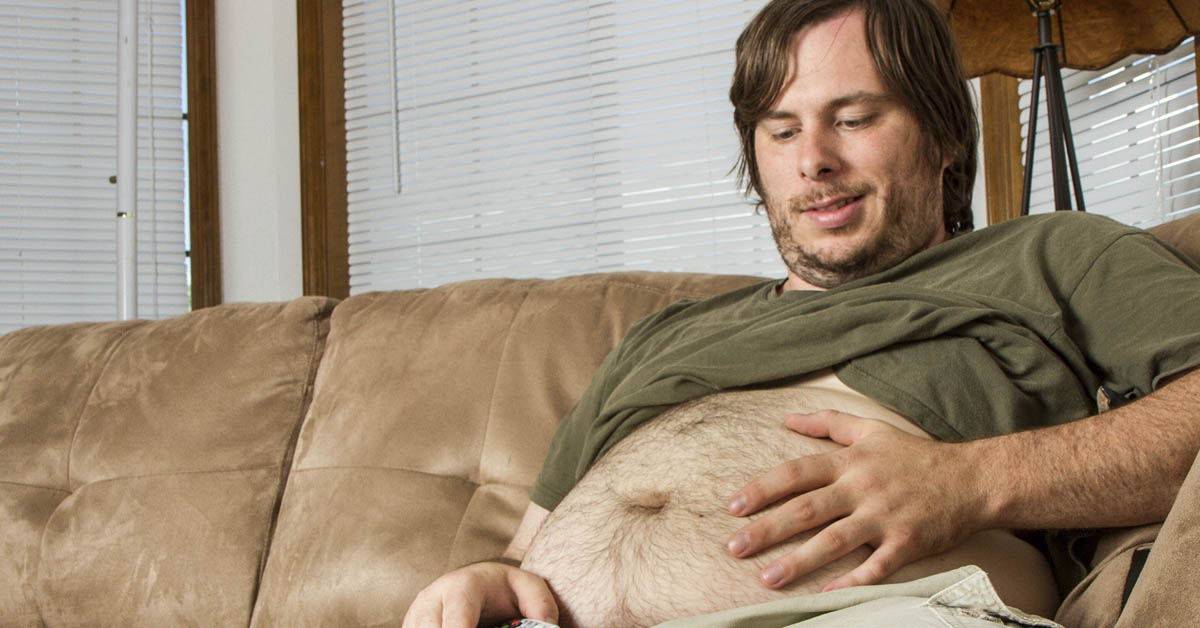
If beating belly fat is your goal, aerobics wins, says a study published in the American Journal of Physiology, Endocrinology, and Metabolism. Visceral fat (the kind of fat that collects around the internal organs in the abdomen) contributes to overall mortality and to health conditions such as diabetes and metabolic syndrome. Reducing belly fat is […]
It’s no secret that cardiovascular problems during our middle and latter years can cause cognitive decline as we age. However, a new study shows that high blood pressure, high cholesterol levels, and elevated blood sugars in early adulthood are also linked to cognitive deficits later in life. The study started with over 3000 people between […]
