

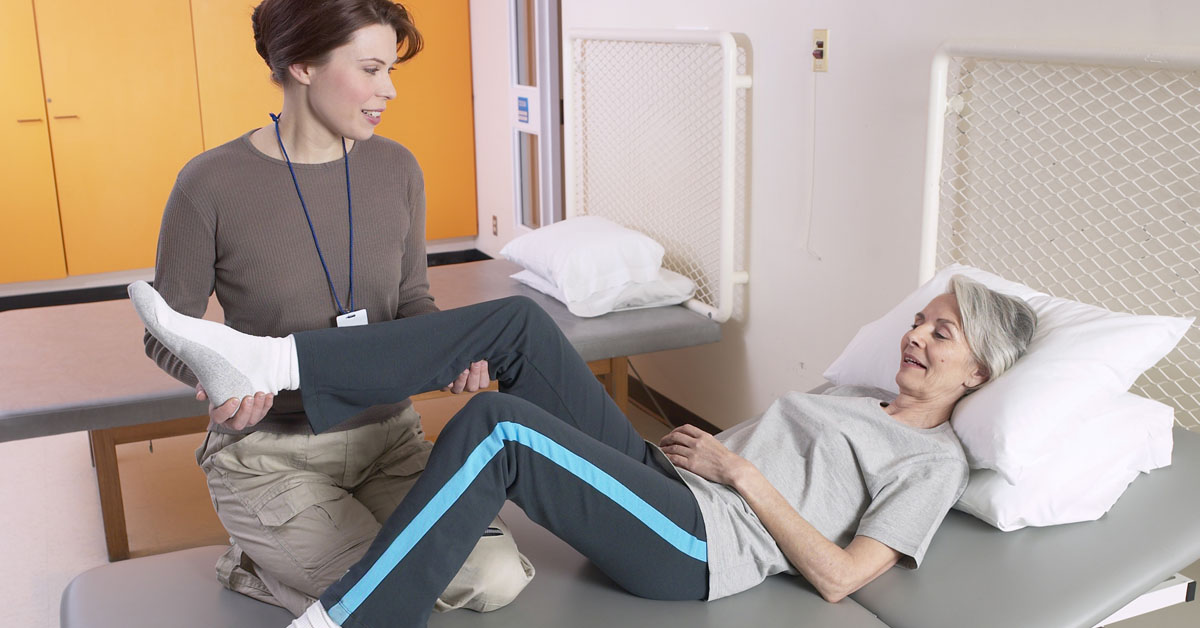
Physical therapy is widely recognized as an effective first-line treatment for managing hip osteoarthritis (OA), providing significant relief from pain and improving joint function. Research consistently supports the benefits of both exercise and manual therapy in reducing OA-related discomfort and disability. Key Predictors of Positive Response to Physical Therapy A study led by Dr. Alexis […]
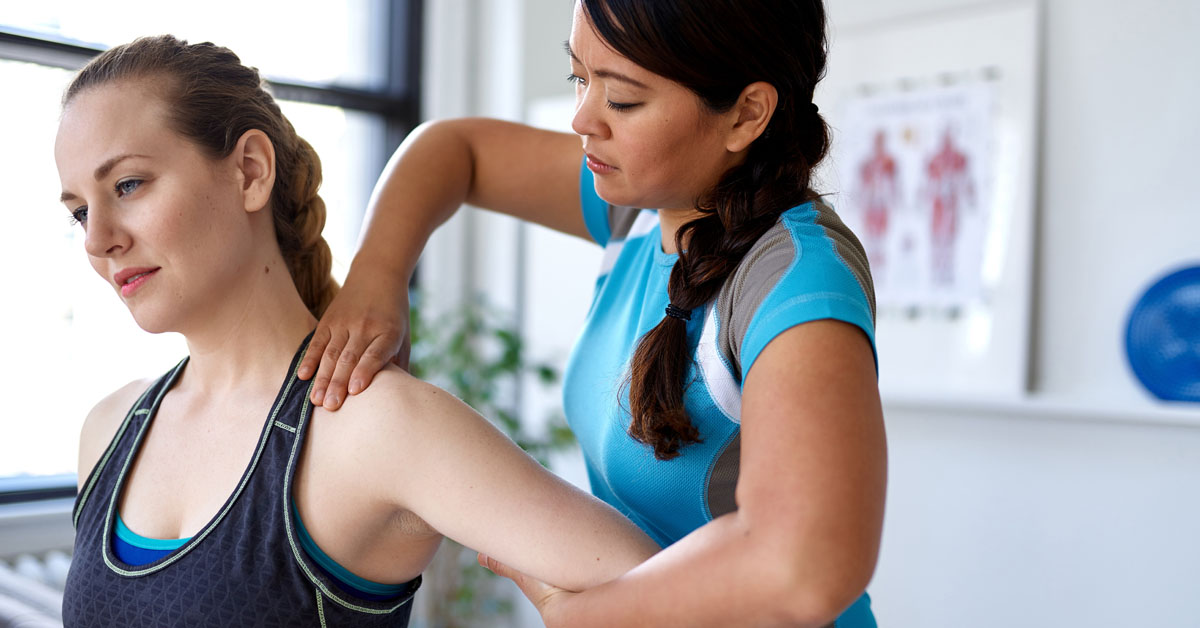
Manual therapy encompasses a variety of techniques where physical therapists use their hands to manipulate the body’s soft tissues and joints. This approach is often integrated into comprehensive rehabilitation programs to address issues like joint stiffness, muscle tension, and chronic pain. Research supports its effectiveness in improving mobility and reducing discomfort when combined with other […]
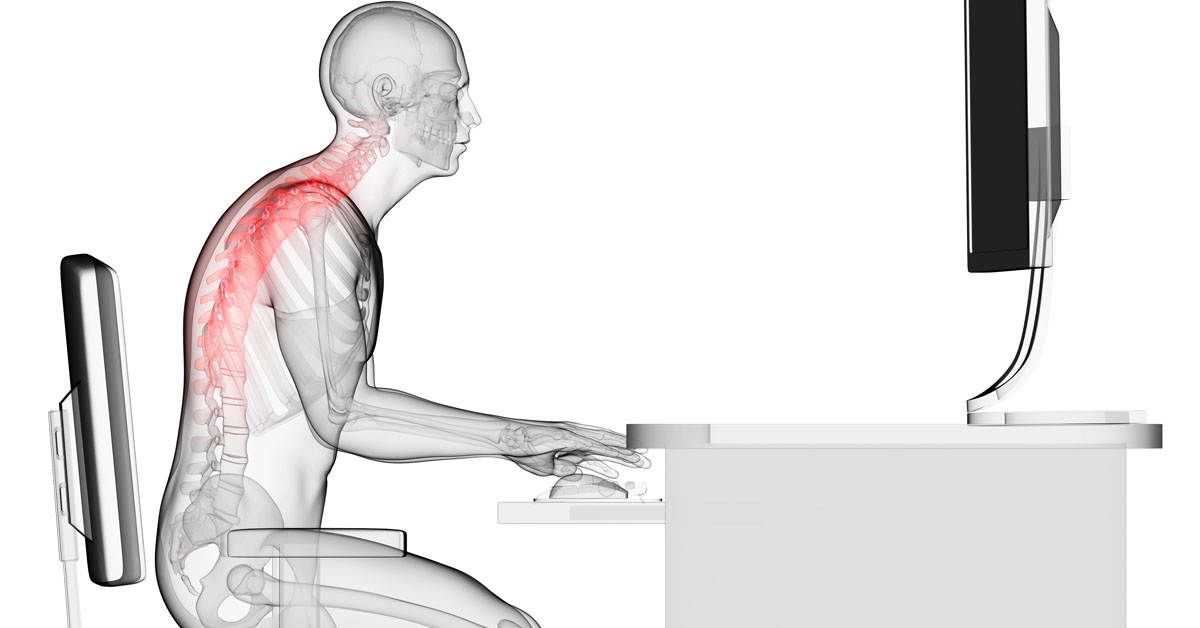
Office work typically involves mildly stressful postures held for prolonged periods of time. This is why office workers experience a particularly high incidence of neck pain, sometimes reported at over 50%. Bad ergonomics at your desk can be a contributing factor, but even optimal ergonomics cannot completely prevent the stress from that prolonged office posture. […]

Many individuals overlook the crucial role their feet play in overall body mechanics. Flat feet, or pes planus, can lead to biomechanical distortions that affect posture, cause pain, and hinder athletic performance. The Structure and Function of the Foot Arch The human foot comprises 26 bones, with the arch acting as a natural shock absorber. […]
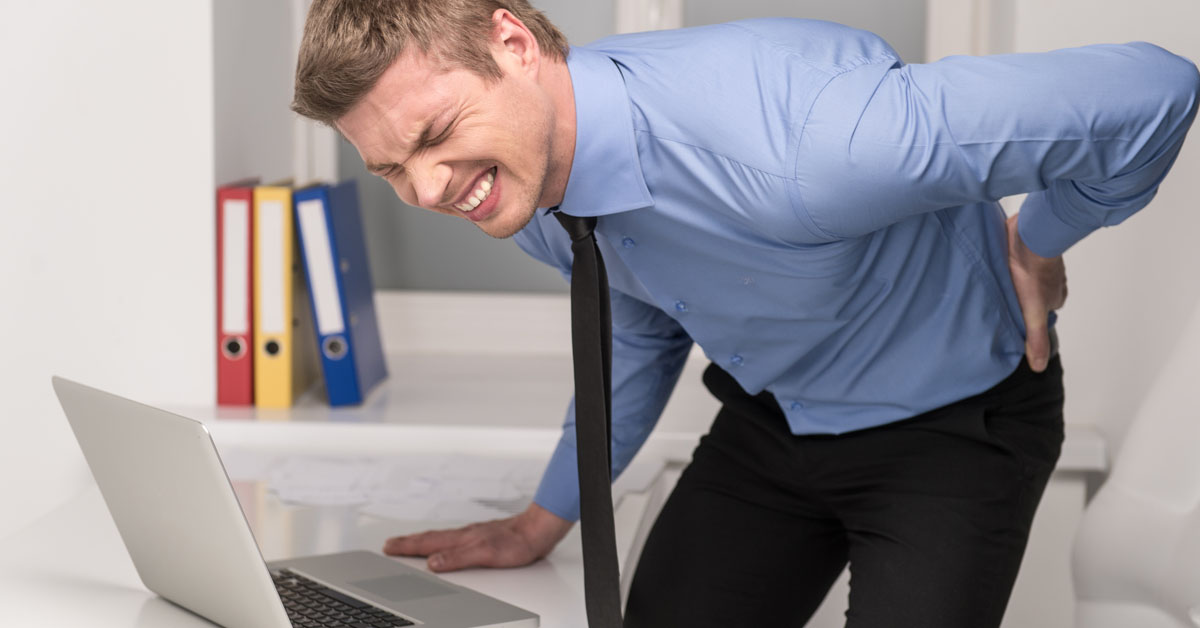
A study was done highlighting the significant benefits of incorporating physical therapy and patient education into the recovery process following back surgery. The findings indicate that patients who engaged in structured exercise programs guided by physical therapists, in addition to receiving educational support, experienced reduced pain, enhanced physical function, and an overall improvement in quality […]
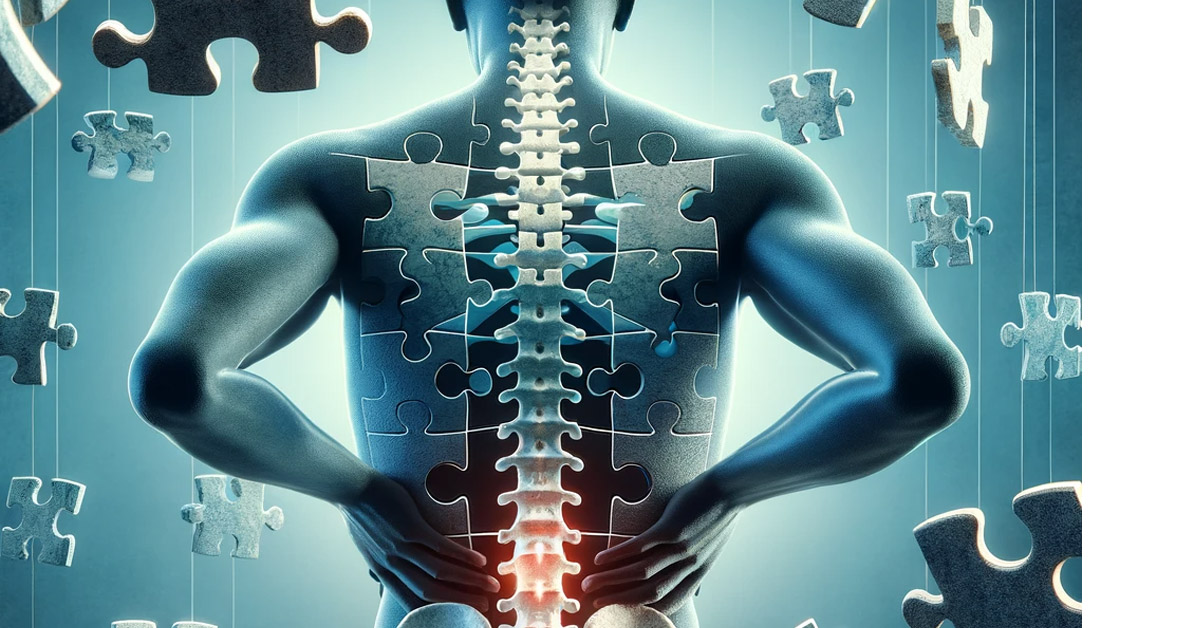
Osteoporosis, or “porous bone,” is a disease of the skeletal system characterized by low bone mass and deterioration of bone tissue. Osteoporosis leads to an increased risk of bone fractures, typically in the wrist, hip, and spine. Diet and exercise can do a lot not only to prevent osteoporosis, but also to reverse osteoporosis that […]
Even a small amount of daily movement can make a major difference in your health. Research shows that physical inactivity contributes to twice as many premature deaths as obesity does. Researchers evaluated data from approximately 330,000 men and women, analyzing variables such as height, weight, age, and activity level. The most significant drop in premature […]
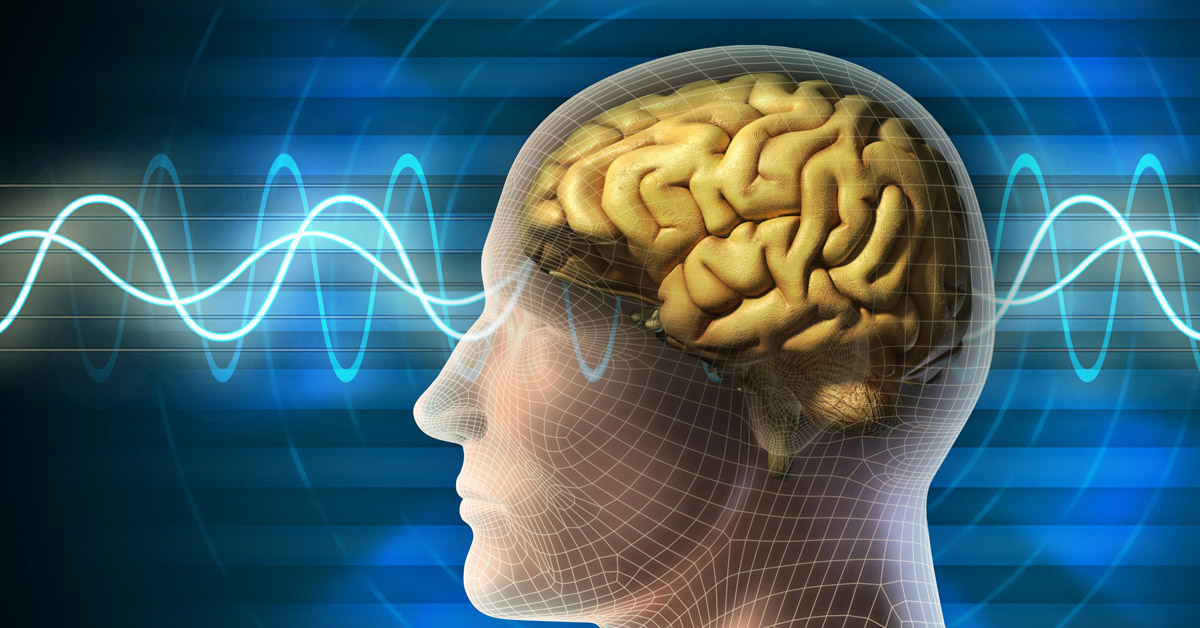
Most of us have heard that living a healthy lifestyle lowers the risk of certain illnesses and diseases such as heart disease, cancer, and diabetes. Research shows that the same can be said for strokes. The most common type of stroke is the ischemic stroke, which occurs when the blood supply to part of the […]
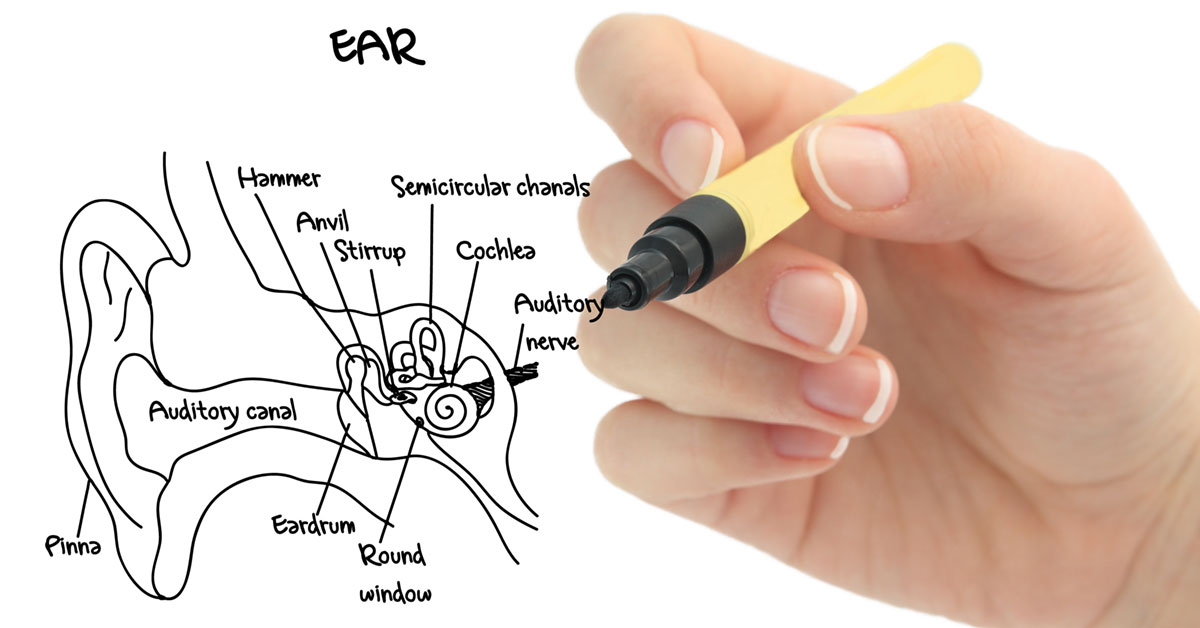
Referral Source Bulletin: The many services available at South Texas Sports Medicine Physical Therapy include vestibular rehab for both peripheral and central disorders. Refer to South Texas Sports Medicine Physical Therapy for Vestibular Rehabilitation Including: At South Texas Sports Medicine Physical Therapy, we work with Medicare, Medicaid, Workers Compensation, Private Pay, And Most Major Insurance […]
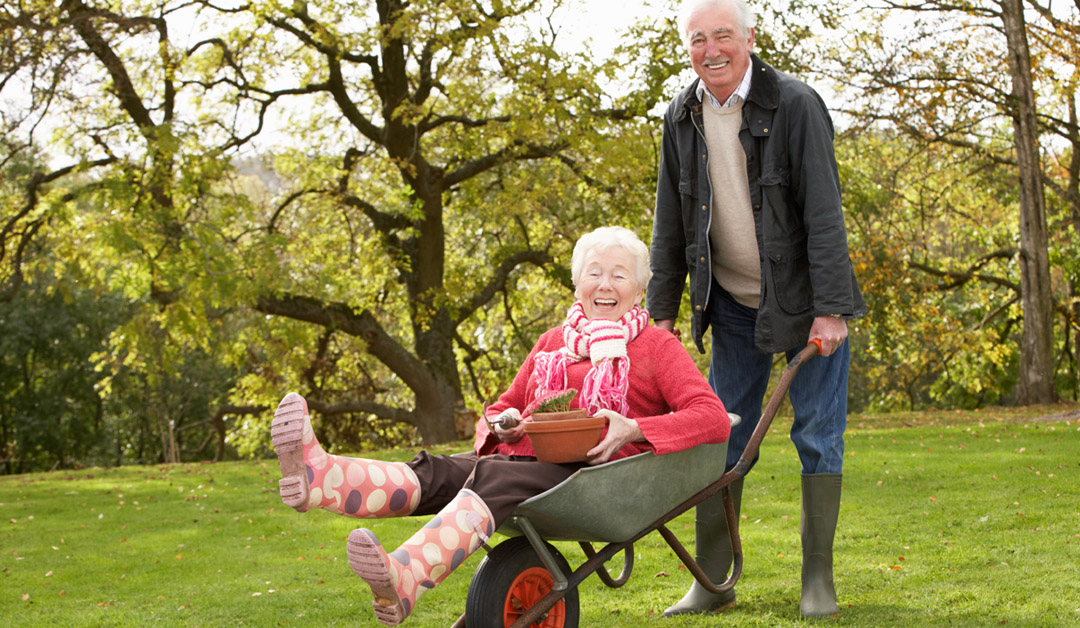
Anybody who’s ever weeded a row of turnips, planted petunias, or mowed a thriving lawn knows that gardening can be hard work. That hard work pays off in more ways than having the best roses on the block or a tasty salad. Gardening in its various forms can: Increase hand strength, body strength, and flexibility […]
